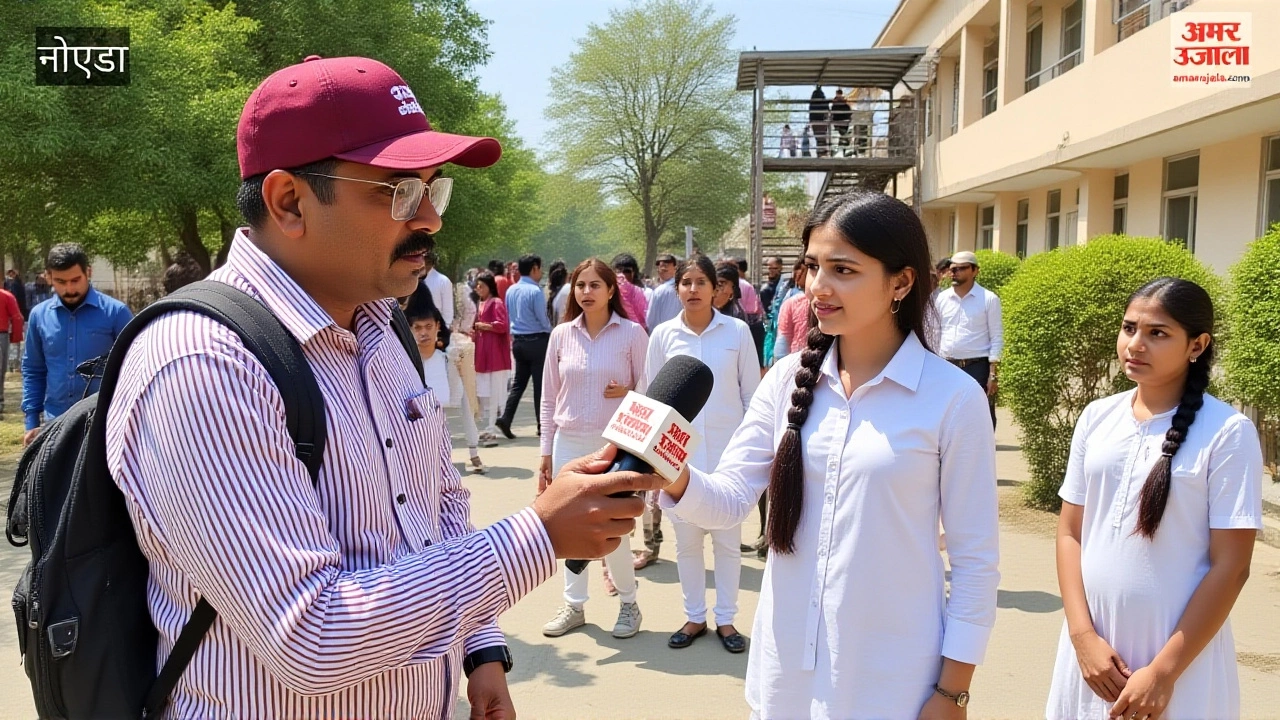
Millions of students across Uttar Pradesh walked out of examination halls on February 20, 2026, having completed a pivotal milestone in their academic careers. The Uttar Pradesh Madhyamik Shiksha Parishad (UPMSP), the state's primary secondary education board, administered the Class 10 Social Science exam as part of its annual high school board examinations.
The test was scheduled for the first shift, running from 8:30 AM to 11:45 AM. Students were given a total of three hours and 15 minutes to complete the paper, with the initial 15 minutes reserved strictly for reading the question booklet. This structure is designed to allow candidates to strategize their answers before putting pen to paper—a critical advantage in an exam where time management often dictates success.
Exam Structure and Marking Scheme
Understanding the anatomy of the exam is crucial for any student or parent analyzing performance. The Social Science paper carries a total weightage of 100 marks, but the distribution is split between theoretical knowledge and internal assessment.
- Theoretical Exam: 70 marks
- Internal Assessment: 30 marks
The theoretical portion itself is divided into two distinct sections. Section A consists of Multiple Choice Questions (MCQs) worth 20 marks. These require students to mark their responses on an OMR sheet, emphasizing precision—once marked, answers cannot be erased or altered. Section B includes short-answer and long-answer questions, testing descriptive and analytical skills. Notably, the board has introduced Assertion-Reason type questions in recent model papers, pushing students to demonstrate logical reasoning rather than rote memorization.
Syllabus Breakdown: What Was Tested?
The Social Science curriculum for Class 10 is broadly categorized into four core disciplines. During the February 2026 exam, students were tested on their grasp of these interconnected fields:
- History: Topics included the Rise of Nationalism in Europe, India, and the Making of a Global World.
- Civics (Political Science): Focus on democratic rights, governance structures, and civic responsibilities.
- Economics: Concepts related to global economic shifts and local market dynamics.
- Geography: Resource management and industrial distribution patterns.
Educators note that the History section, particularly chapters on nationalism, often serves as a differentiator in results. One teacher from the popular educational channel "PW UP BOARD 9&10th" explained in a pre-exam marathon session that understanding the nuance of 'nationalism'—defined not just as patriotism but as a complex socio-political movement—is key to scoring well in long-answer questions.
Accessing the Question Paper and Answer Key
Once the exam concluded, the immediate demand shifted from preparation to verification. Students and parents eagerly sought the official question paper PDF and the expert-crafted answer key. While the UPMSP does not release the official answer key immediately, various educational portals and career websites quickly compiled unofficial keys based on student recollections and expert analysis.
To download the question paper, students are advised to visit dedicated educational resource sites. The process typically involves navigating to the "UP Board Class 10 Social Science Question Paper 2026" section, clicking the relevant link in the provided table, and saving the PDF file. These resources also host previous years' papers (from 2019 to 2025), which remain invaluable for practice and pattern recognition.
Comparing answers against these unofficial keys allows students to estimate their scores before the official results are declared. This self-assessment phase can be stressful but provides early insight into potential outcomes.
The Role of Digital Preparation Resources
It’s worth noting how heavily students relied on digital platforms leading up to this exam. YouTube channels and online tutoring services played a massive role in last-minute revisions. Videos titled "UP Board SST 2026 | 2019–25 Previous Year Questions" and "Maha Marathon Classes" garnered millions of views, offering comprehensive reviews of likely topics.
These platforms didn't just provide guess papers; they offered strategic advice on time management and question selection. For instance, many tutorials emphasized the importance of practicing MCQs on OMR sheets to avoid careless errors during the actual exam. This blend of traditional offline exams with modern digital preparation highlights a significant shift in how Indian students approach board examinations.
What Happens Next?
With the Social Science exam behind them, students now turn their attention to remaining subjects. The full board exam schedule runs from February 18 to March 12, 2026, spread across two shifts. After all exams conclude, the UPMSP will begin the evaluation process. Results are typically announced several weeks later, though exact dates depend on the volume of answer scripts and the efficiency of the evaluation centers.
For those who feel they underperformed, re-examination options may be available, though specific deadlines and procedures must be monitored via the official UPMSP website. Until then, the focus remains on completing the current syllabus with diligence.
Frequently Asked Questions
When was the UP Board Class 10 Social Science exam held in 2026?
The exam was conducted on February 20, 2026, during the first shift from 8:30 AM to 11:45 AM. It was one of the key subjects in the annual board examination series organized by the Uttar Pradesh Madhyamik Shiksha Parishad.
How is the Social Science paper marked?
The total marks are 100, with 70 allocated to the theoretical written exam and 30 to internal assessment. The theoretical paper includes 20 marks for MCQs (Section A) and 50 marks for short and long answer questions (Section B).
Where can I find the answer key for the 2026 exam?
While the UPMSP does not release an official answer key immediately, numerous educational websites and YouTube channels publish expert-prepared unofficial keys within hours of the exam ending. These are useful for self-evaluation and score estimation.
What topics were covered in the History section?
The History component focused on major themes such as the Rise of Nationalism in Europe and India, as well as the Making of a Global World. Students were expected to analyze causes, effects, and historical contexts rather than just memorizing dates.
Is there a negative marking scheme in the UP Board exams?
No, there is no negative marking in the UP Board Class 10 examinations. However, accuracy in filling the OMR sheet for MCQs is critical because answers cannot be changed once marked, making careful selection essential.
Aarav Chatterjee
I am Aarav Chatterjee, an expert in news and political analysis, with a special focus on the Indian subcontinent. I pride myself on delivering thought-provoking and insightful commentary on the latest news and events shaping Indian life. As a seasoned journalist, I have a passion for uncovering untold stories and making connections between current events and historical contexts. My writing aims to educate, inspire, and empower my readers to make informed decisions and contribute to meaningful discussions about the future of India.
view all postsWrite a comment